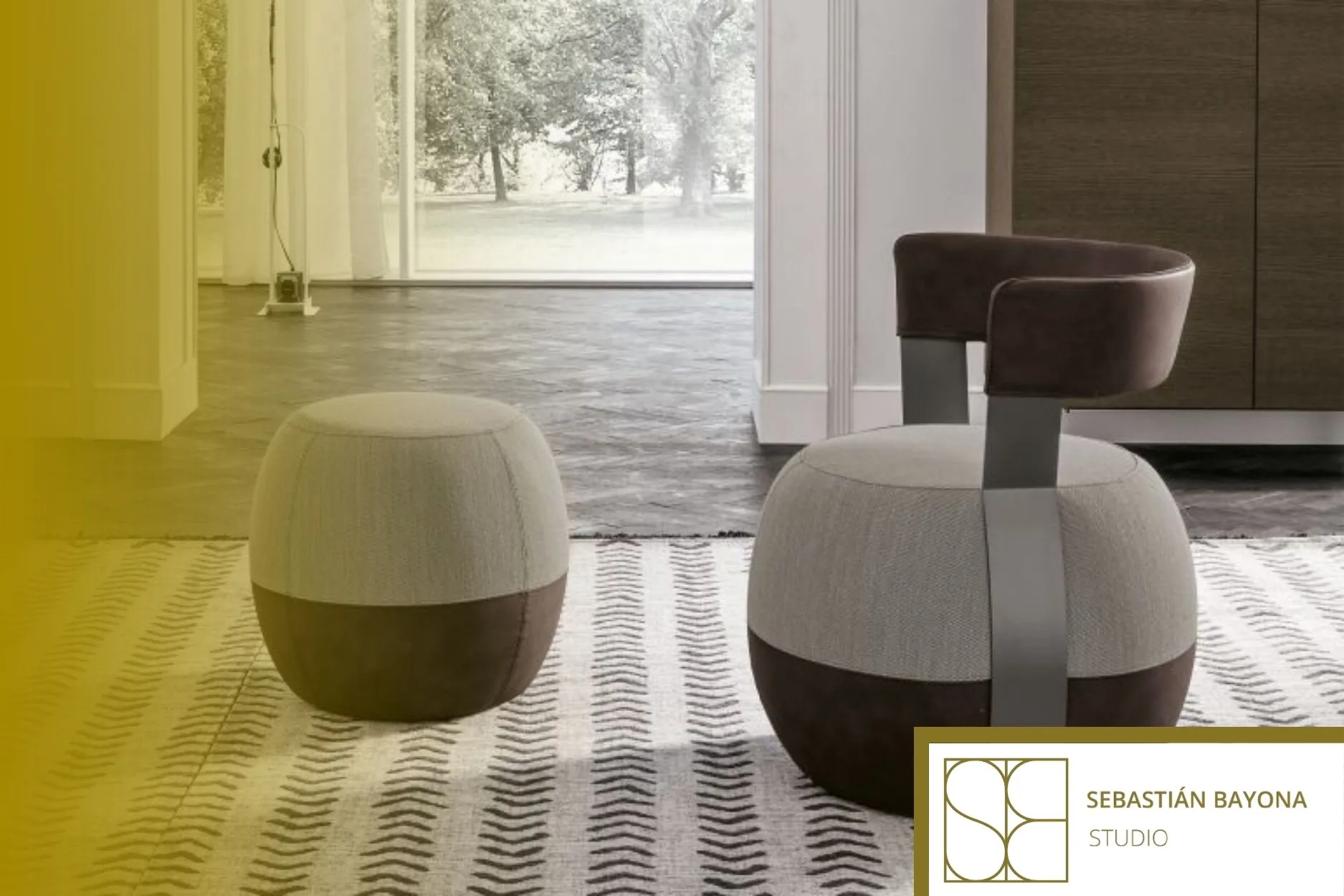
Combining bespoke and ready-made furniture successfully begins with understanding the role, scale and visual importance of each piece. Fitted elements can create architectural continuity and provide organised storage, while freestanding furniture introduces flexibility and individual character. A cohesive interior does not depend on matching manufacturers or collections. It comes from establishing meaningful relationships between furniture, materials, proportions and the space itself.
A considered interior does not need furniture from one source
One of the most interesting aspects of residential interior design is bringing together furniture from different sources without making a room feel like a collection of unrelated objects.
Ready-made furniture offers established designs, finishes and configurations that can respond precisely to the requirements of a home. Bespoke furniture, meanwhile, makes it possible to develop pieces closely connected to a room's dimensions and architectural characteristics.
The aim is not to choose one approach over the other. It is to establish a balanced relationship between them.
A living room might combine a fitted bookcase with a freestanding sofa, a ready-made coffee table and a sculptural armchair. Each element contributes something different to the composition.
What brings these pieces together is not their origin but the intention behind their selection.
Let the architecture establish the starting point
Before selecting furniture, it is important to understand the proportions, natural light and spatial relationships of the home.
A long wall might accommodate integrated joinery that brings together storage, lighting and display. An open area, by contrast, may benefit from independent pieces that maintain visual lightness and allow movement around them.
Furniture should respond to the architecture rather than attempt to compensate for an unresolved layout through the addition of more objects.
Windows, doors, radiators and electrical points also influence the choice and position of furniture. A piece can have appropriate dimensions yet still obstruct a door or interrupt an important circulation route.
Considering furniture during the initial planning stages helps avoid these conflicts, even when individual products have not yet been selected.
Create a visual hierarchy rather than competing focal points
A balanced interior requires a decision about which pieces should attract attention and which should play a supporting role.
When every item attempts to become a focal point, the room can lose visual clarity.
An expressive sofa, elaborate fitted storage and several statement tables may compete for attention, even if each piece is attractive individually.
A more disciplined approach establishes a hierarchy.
For example, a bespoke storage wall can be designed with restrained detailing and continuous surfaces, allowing a carefully selected armchair or pendant light to become the room's focal point.
The opposite approach can work equally well. A piece of custom joinery may become the defining architectural element, supported by quieter freestanding furniture.
The objective is not to give every object equal importance. It is to determine which elements should organise the overall composition.
Materials should complement rather than imitate one another
Combining bespoke and ready-made furniture does not require every surface to have exactly the same finish.
Trying to match wood veneers or lacquer colours from different manufacturers can produce noticeable variations in tone, texture and sheen.
Instead, materials can be selected to establish deliberate relationships.
Timbers with compatible undertones may create continuity without being identical. Mineral surfaces can provide contrast against upholstered furniture, while metal structures introduce a lighter visual rhythm.
A coherent material palette allows variation, provided those variations have a clear purpose.
Practical performance must also influence selection. A frequently used work surface has different requirements from a decorative occasional table.
Material harmony involves more than colour. Texture, maintenance, durability and the way surfaces interact with natural and artificial light all contribute to the final result.
Proportion can connect furniture from different design traditions
Furniture pieces do not need to belong to the same stylistic family to work together.
A lightweight coffee table can balance a generous sofa. Floor-to-ceiling fitted cabinetry can be complemented by low horizontal seating. A sculptural dining table may benefit from open space around it so its proportions remain legible.
These relationships often matter more than matching finishes or purchasing items from the same collection.
Particular attention should be paid to furniture height, depth, spacing and visual weight.
A well-proportioned ready-made piece can sit naturally beside bespoke joinery. Equally, two custom-designed pieces can feel uncomfortable together if their volumes compete or overwhelm the room.
The relationship between objects and the surrounding empty space is as important as the furniture itself.
Combining bespoke and ready-made pieces room by room
Living room: architectural structure and individual character
In a living room, fitted furniture can organise storage, books and audiovisual equipment. Freestanding sofas, armchairs and tables can then establish seating areas and introduce texture, comfort and visual contrast.
The composition should preserve enough open space to prevent the fitted elements from dominating the room.
Dining room: balancing presence and circulation
A ready-made dining table can sit alongside a bespoke sideboard designed to fit a particular wall or recess.
The important considerations are proportion, access around the table and the relationship between the furniture and lighting.
Dining chairs need sufficient room to move, and the position of a pendant light should be planned in relation to the final table arrangement.
Bedroom: continuity without unnecessary rigidity
Bespoke wardrobes can provide integrated storage, while a freestanding bed, bedside tables or an occasional chair allow the room to evolve over time.
This combination can establish a cohesive atmosphere without making every furnishing permanent.
There is no ideal percentage of bespoke and ready-made furniture for a home. The balance should reflect the needs and characteristics of each room.
A thoughtful furniture budget needs priorities
Combining the two approaches can also help distribute the budget according to the project's actual priorities.
Not every item requires the same level of personalisation or represents the same degree of permanence.
Investing in frequently used fitted storage may be appropriate in one room, while another space might benefit more from a high-quality freestanding piece.
The comparison should extend beyond purchase prices to include manufacturing, delivery, installation, maintenance and potential replacement.
Bespoke furniture is not inherently superior, and ready-made furniture should not automatically be treated as a secondary option.
Each piece should justify its place through quality, function and its contribution to the wider interior.
Furniture selection belongs within the interior design process
A coherent furniture scheme involves decisions at several scales, from the overall room layout to the height of a table, the finish of an upholstery fabric or the detailing of a cabinet handle.
Leaving every furniture decision until the end of a renovation can create conflicts with lighting, circulation and architectural elements already in place.
At Sebastián Bayona Studio, a residential interior design studio based in Barcelona, we work with both bespoke furniture and selected pieces from Spanish and international brands. These choices form part of a wider approach that brings together spatial planning, materials, lighting and decoration.
The intention is not to make each object stand out individually, but to create a home in which the pieces work together naturally.
If you are planning a renovation or reconsidering the furniture in your home, you can tell us about your project. A thoughtful furniture scheme begins well before the first purchase.
FREQUENTLY ASKED QUESTIONSCan bespoke and ready-made furniture work together in the same room?
Yes. Combining the two can produce a functional and visually coherent interior. The important factors are proportion, scale, material relationships and the purpose of each piece, rather than whether the furniture comes from the same collection.
How can different furniture styles be combined without looking mismatched?
Establish a clear visual hierarchy, avoid too many competing statement pieces and create deliberate relationships between materials and proportions. Contrast can add character without making the composition feel disconnected.
Should ready-made furniture be selected before commissioning bespoke pieces?
Ideally, both should be considered within the same interior design process. The room layout, intended functions and available dimensions should guide selections before purchases or custom manufacturing are finalised.
Can mixing bespoke and ready-made furniture help manage a renovation budget?
It can help direct investment towards the pieces that matter most. However, decisions should consider materials, quality, installation, maintenance and expected lifespan, rather than comparing initial prices alone.